Downtown Mystic
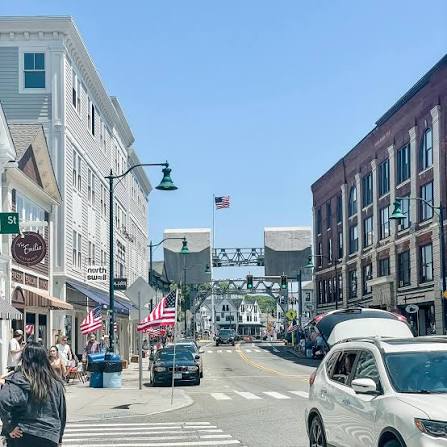
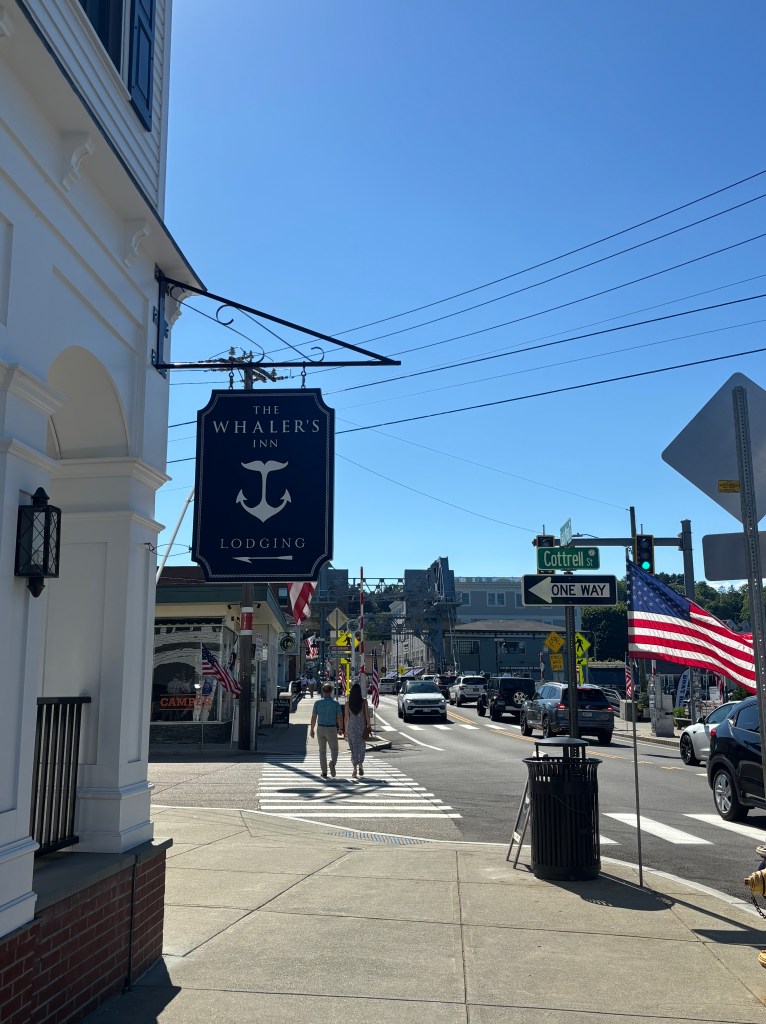
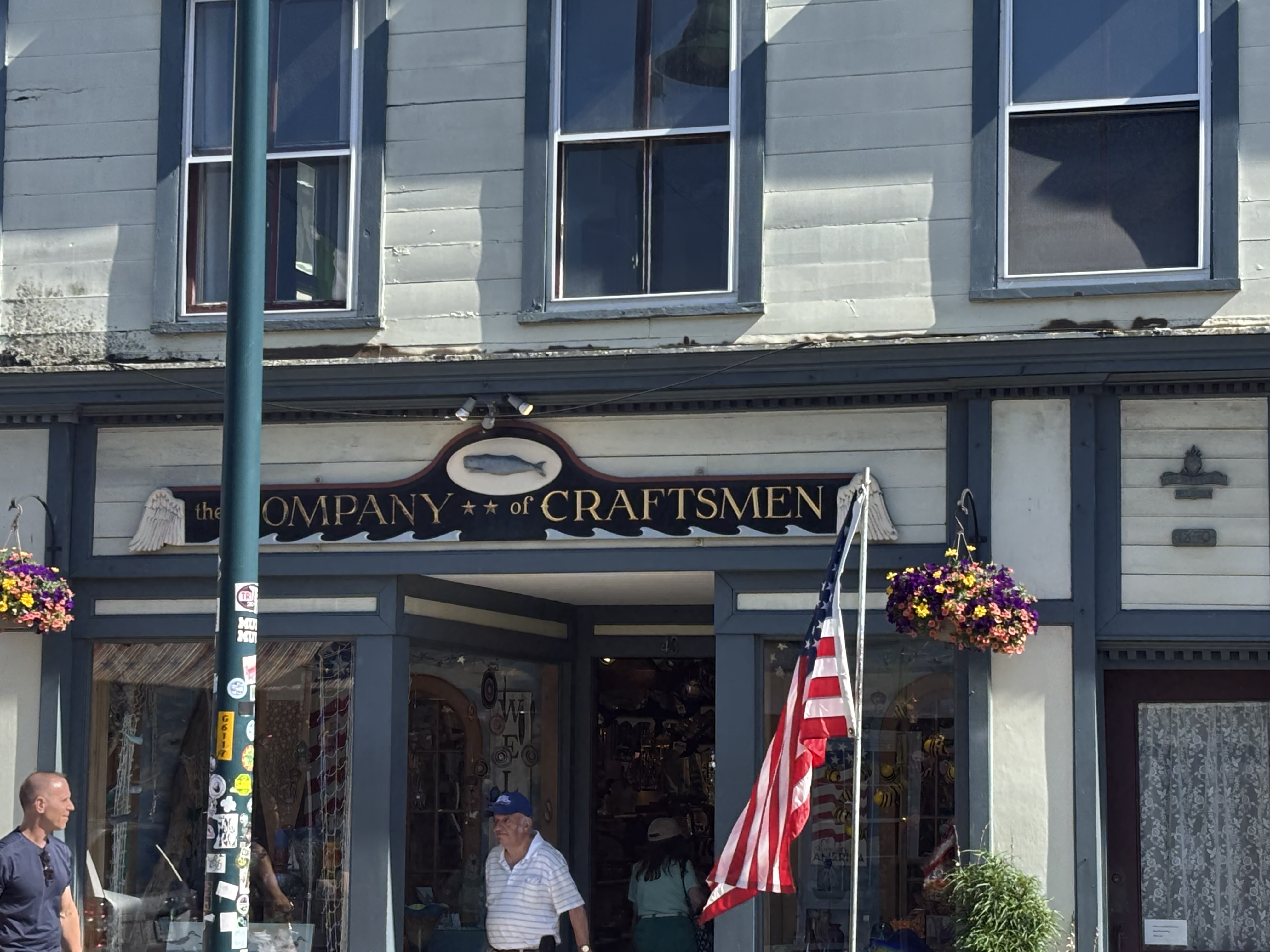
If you exit the Stonington Borough, take a right and drive about four miles eastward along Stonington Road, you will eventually reach a drawbridge at the center of downtown Mystic. The drawbridge rises once every hour and is the only route to cross the Mystic River and enter the more residential areas of town. Surrounding the drawbridge are the shops, restaurants, bars and tourist attractions of the Mystic Seaport – all of which, as in Stonington, harken back to the town’s whaling past. Mystic draws significantly more tourism than Stonington, and as such leans into a quaint, maritime aesthetic even more. Replete with whale tails or anchored logos, restaurants and hotels such as the Whaler’s Inn, the Mariner, and the Daniel Packer Inn are designed and named to make visitors feel as if they had stepped into a nineteenth-century time capsule. Walking, dining and sleeping among these establishments, one can almost simulate, or cosplay, the behaviors and patterns of a whaleman.
These references to whalemen and whaling culture – while kitschy – do hold up in the context of local history. While the island of Nantucket operated as the industry’s center of gravity for the early part of the nineteenth-century, the rise of New Bedford as the leading whaling town in the 1820s resulted in many surrounding coastal communities (including Mystic and Stonington) to become more involved and economically reliant on commercial whaling. For young men inhabiting these communities in the nineteenth-century, a career at sea would have been the go-to, if not only option for employment in the area; according to Lisa Norling, “whaling was what most young men in Southern Connecticut did in the 1830s and 1840s” (Norling 30). These young men would have likely lodged in similar inns or dined in similar restaurants as they prepared for their next voyage at sea. The quaint, yet rugged aesthetics of their modern-day counterparts in Mystic attempt to echo the tough and nomadic lifestyle for which American whalemen are praised: “like the cowboy, the historical sailor has been an icon of monolithic American “manliness”… tough, undauntable and thoroughly undomestic” (Creighton 195).
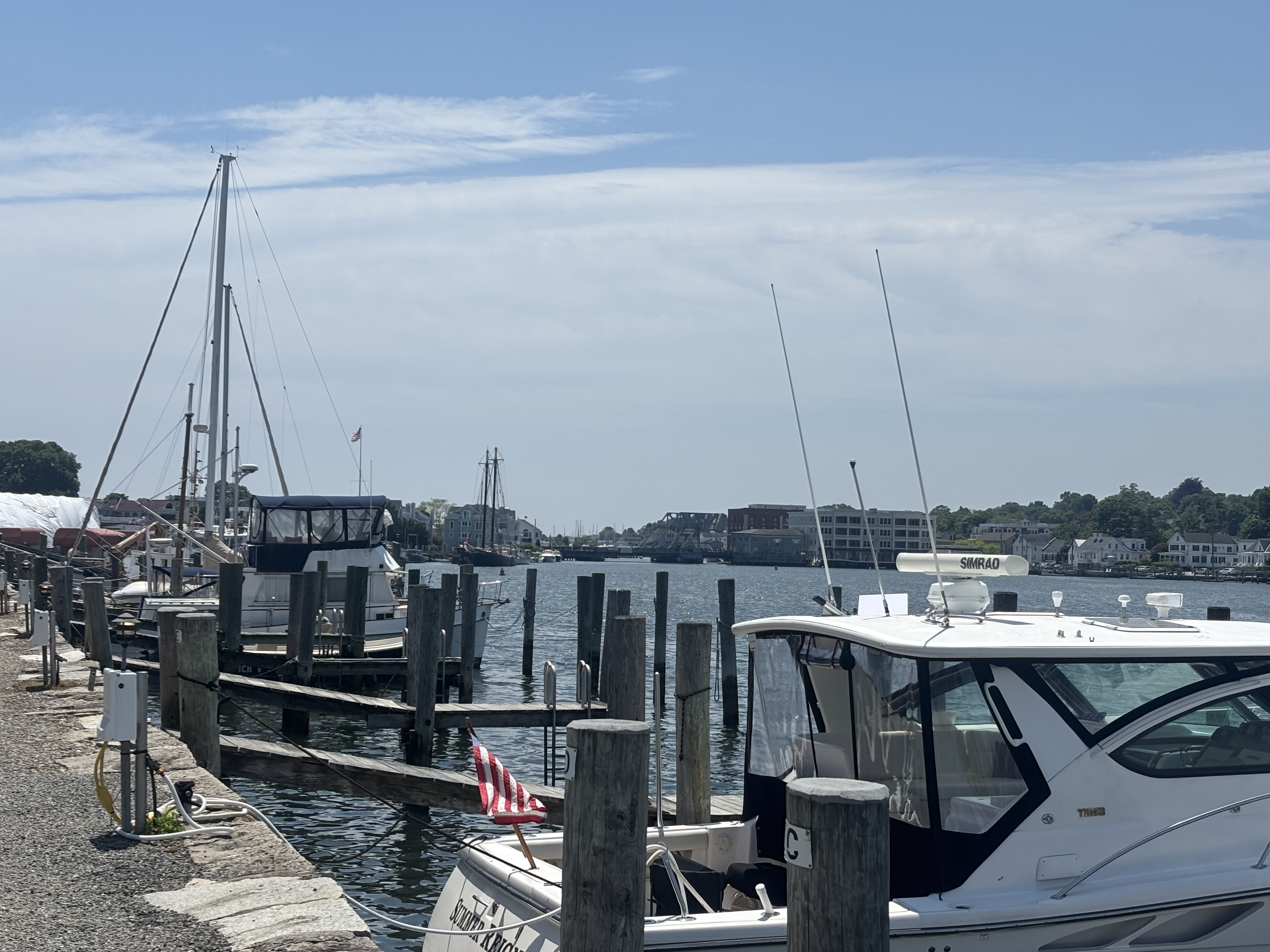
‘”Old infrastructures related to the bygone whaling industry formed the basis of tourists’ attraction…at the same time, the new and expanding infrastructures of fossil modernity – new rail and steamship lines, and hotels built and operated by those railroad companies – made that type of sightseeing possible” (Jones 63).

“Townships were founded near to where whales appeared close to land. In places where the soil was untillable and the climate grinding, whaling’s income laid roads and sent houses, churches, and marketplaces rocketing out of the ground” (Giggs 33).
Borrowing Jamie Jones’ term, the “quaintness tourism” of downtown Mystic appears fundamentally tied to these glorified – occasionally romanticized, even – archetypes associated with the American whaleman. The career of whaling is positioned as a highly dangerous, exhausting endeavor, an “endless round of contests” keeping men in perilous conditions for years at a time (Creighton 199). In between such journeys, then, the respite of quaint seaside inns and pubs would look much more appealing. Just as these infrastructures from the whaling era were essential establishments for weary sailors during the industry’s peak, their obsolescence is now transformed into kitschy entertainment value for weary tourists wishing to escape modernity and flee to the seaside (Jones 118).
I don’t doubt the physical and emotional difficulties that must have accompanied any person aboard a nineteenth-century whaling vessel, nor do I begrudge those who seek out the quaint, coastal nostalgia for which former whaling communities like Mystic and Stonington garner their appeal. With that said, I also notice a stark contrast between the version of American whaling, or whale-men, being glorified and upheld within these tourist attractions, and the various representations of whales themselves that also drive much of the tourism in Mystic. Many dominant historical narratives of whaling emphasize the multitude of obstacles and challenges that come with the territory – some of which are listed by Rebecca Giggs as “the plentiful provisioning constituted by a single whale, the precariousness of the weaponry involved, and the fragility of small craft used in pursuit” (Giggs 33). In one historicized account of American whaling, Margaret Creighton writes that most whale-men considered the whales they hunted to be “monsters of the deep”, “who made the hunt a bloody battleground and themselves valorous champions” (Creighton 199). A wide spectrum of different cultural understandings about whales exists across geographic space and time, but many depict the whale as a manifestation of gargantuan monstrosity and power beyond that of any human being. Through the eyes of experienced (and debatably insane) whaleman Captain Ahab, Herman Melville describes the titular sperm whale of Moby Dick as possessing “outrageous strength, with an inscrutable malice sinewing it” (Melville 178). Cunning, malicious, dangerous, sublime: if these were the whales being hunted and conquered by American whalemen – the same American whalemen valorized for their strength, bravery, and success in modern coastal communities – where are they? Where is their representation?
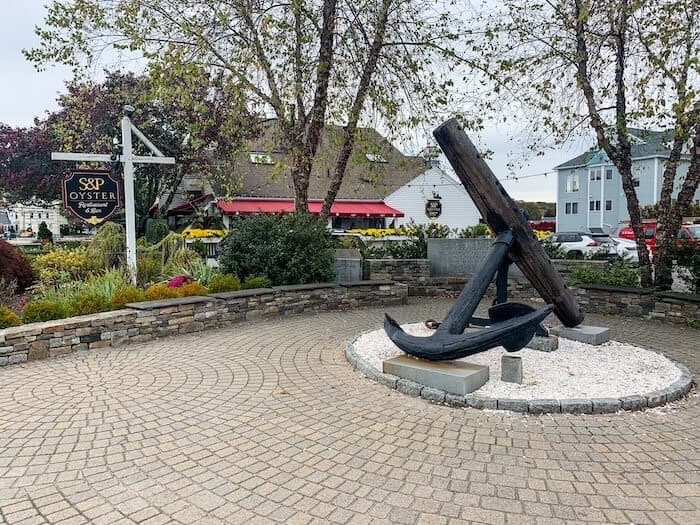
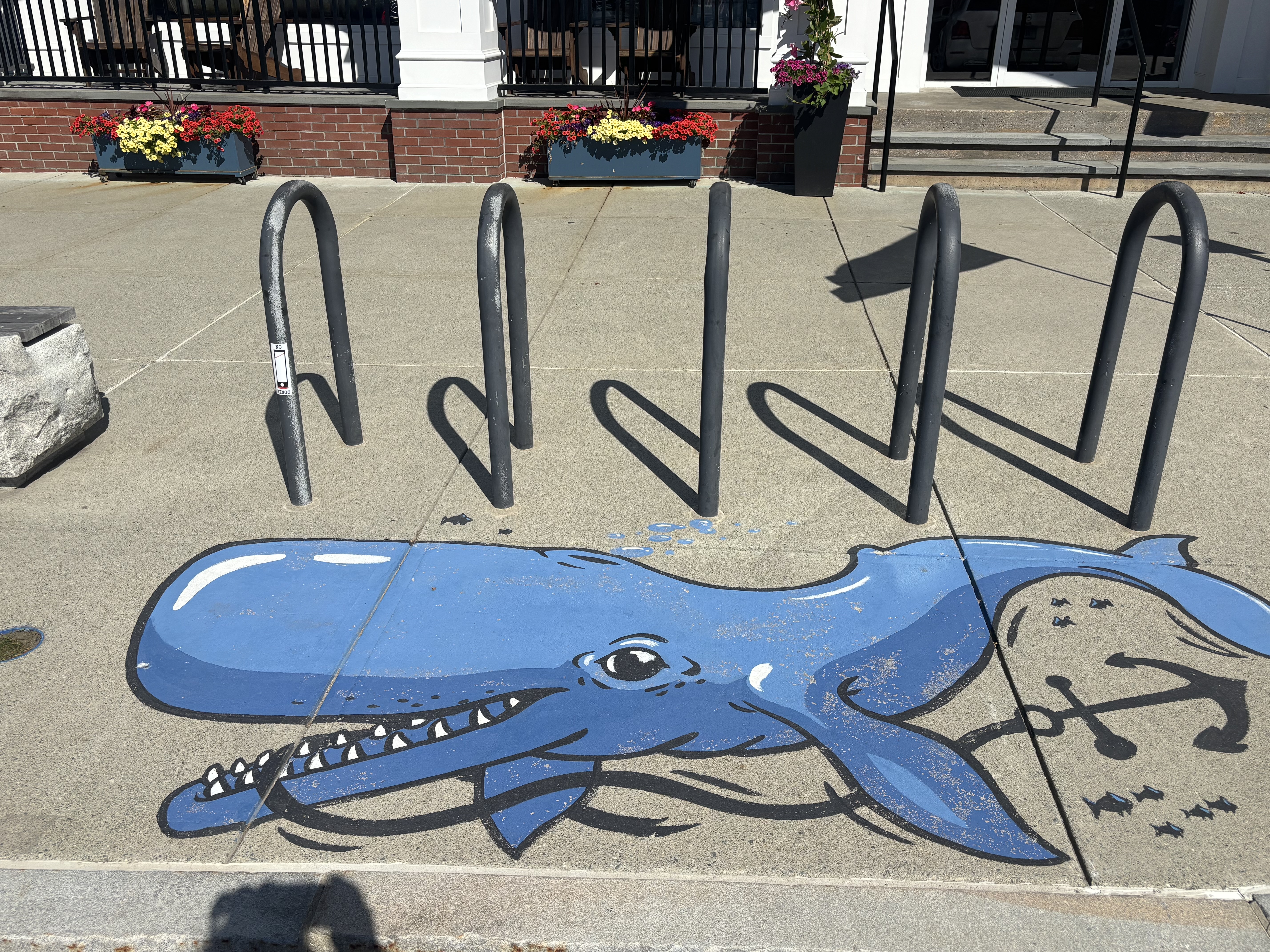
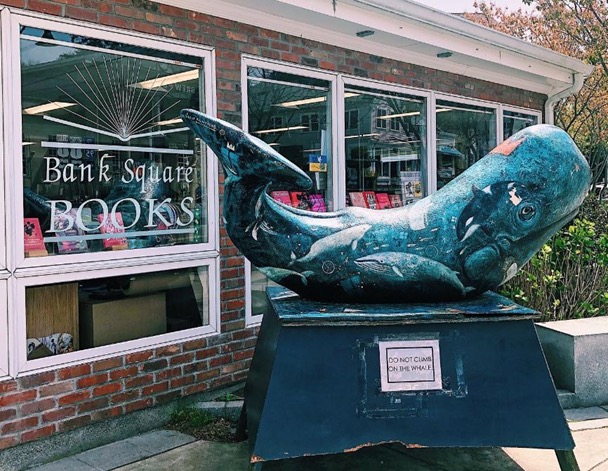
The short answer would be — they’re dead. Hunted to the brink of extinction. While the use of whale oil as an energy resource (the main driver of the commercial whaling industry) reached its peak in the mid-19th century, the slaughter and extraction of whale species across the globe only accelerated as other whale commodities (balleen corsets and parasols, ambergris perfumes, soaps) were imbricated in the rise of American consumer culture. In her text Fathoms: The World in the Whale, Rebecca Giggs records a staggering 236,000 whales hunted by nations around the world in the mid-nineteenth century: “Whalers spoke of sperm whales traveling the oceans in veins, like gold. A fitting metaphor, not only because whales were a precious lode, but also as the animals were proving to be a finite resource in the way of a mineral deposit. Whaling on this scale had long outpaced the animals’ reproductivity” (Giggs 38). By the mid-20th century, all whale populations in the Southern Hemisphere showed signs of collapse.
But visitors of Mystic do not bear witness to the near-extinction of these whale populations – nor are they subjected to the monstrous, malicious representations of whales that prop up visions of American economic prosperity and heroism. Instead, gift shops and local museums are filled with whale-themed stuffed animals, Christmas ornaments, dishware, jewelry, candles, and more trinkets, all of which depict the whale as a family-friendly decoration to commemorate a visit to the area. It would be almost impossible to walk through downtown Mystic without viewing at least one cartoonish rendering of a smiling (or spouting) sperm whale. And while there is nothing inherently wrong with these happy whale souvenirs, or the people that enjoy them, I wonder what version of whaling history, or human-whale relations, their omnipresence is trying to emphasize, or distract from.
Mystic Aquarium
The crown jewel of Mystic’s tourism industry is, without a doubt, the Mystic Aquarium. Families from all over the Northeast travel to Mystic solely to visit the aquarium. Mystic is notably one of the only North American aquariums to house captive beluga whales — a species admired by many for their bulging heads and overall ‘cute’ features. On the Aquarium’s website, visitors are eligible to book private Zoom calls and “virtually paint” with one of the captive belugas. In 2024, the Aquarium privately paid a settlement following a federal investigation into the deaths of three captive belugas, on suspicion of poor water conditions. Mystic has a relatively decent reputation for animal care (which isn’t saying much compared to other aquariums and zoos), but representatives from the aquarium have neither confirmed nor denied the allegations.
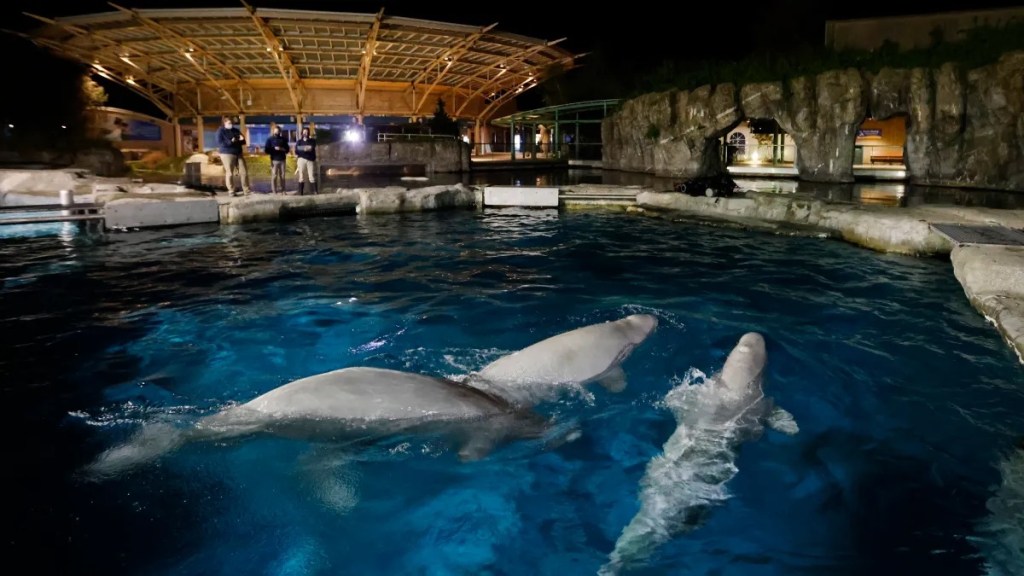
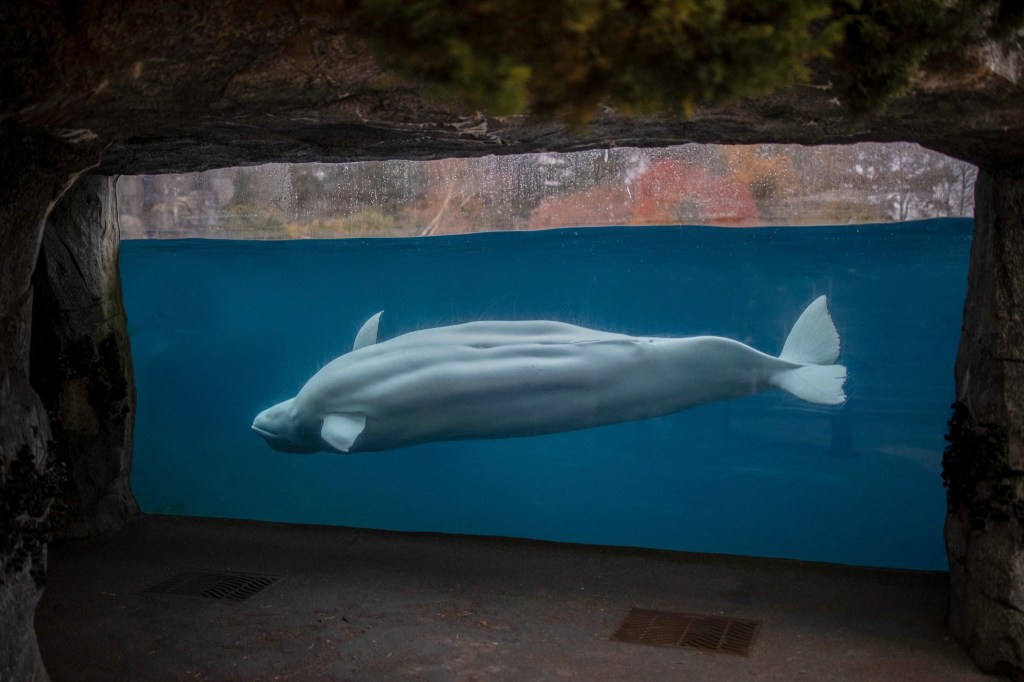
Since the rise of the anti-whaling movement in the 1970s, a newfound reverence or appreciation for whales has emerged among the American general public. Whales are no longer depicted as oceanic monsters in need of conquering, but are instead seen to provide human viewers or enthusiasts with “reserves of emotion associated with meeting nature on its most expansive dimensions…emotions like awe, humility, and wonder” (Giggs 56). The emotional connection many feel towards whales today also arises from an appreciation, or aggression, associated with their “cuteness”. The rounded shapes, expressions, and behaviors of marine mammals elicit a reaction similar to that of seeing a puppy or infant. This cuteness is on full display in the anthropomorphic, friendly visages of the whale souvenirs dispersed throughout Mystic.
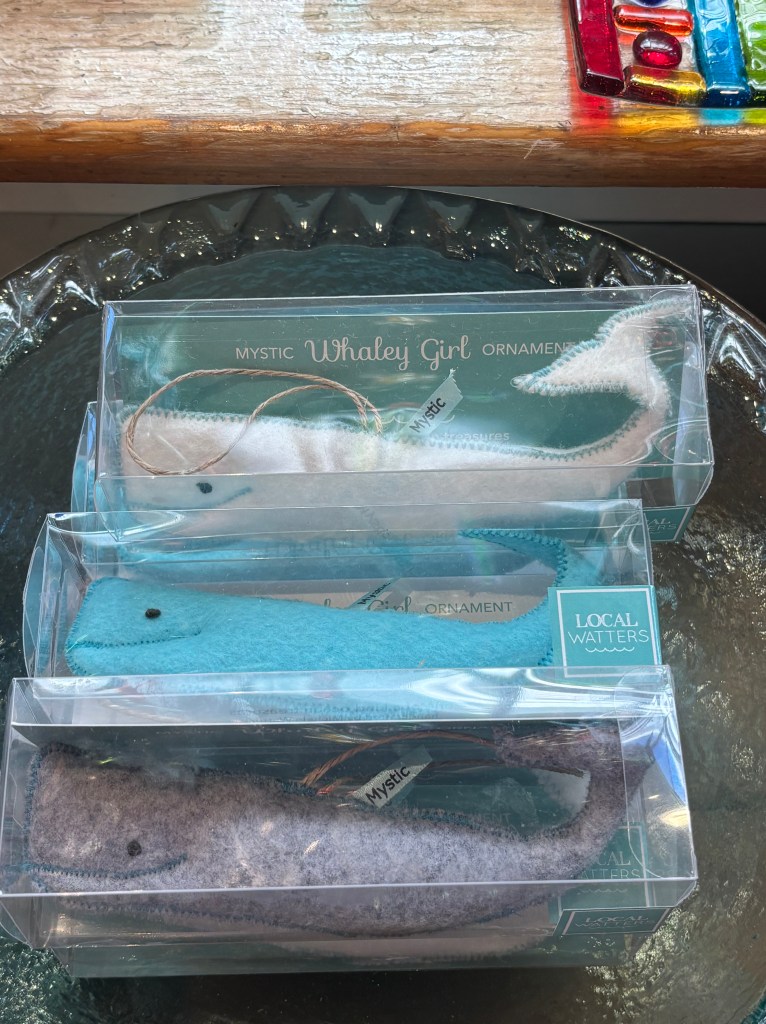
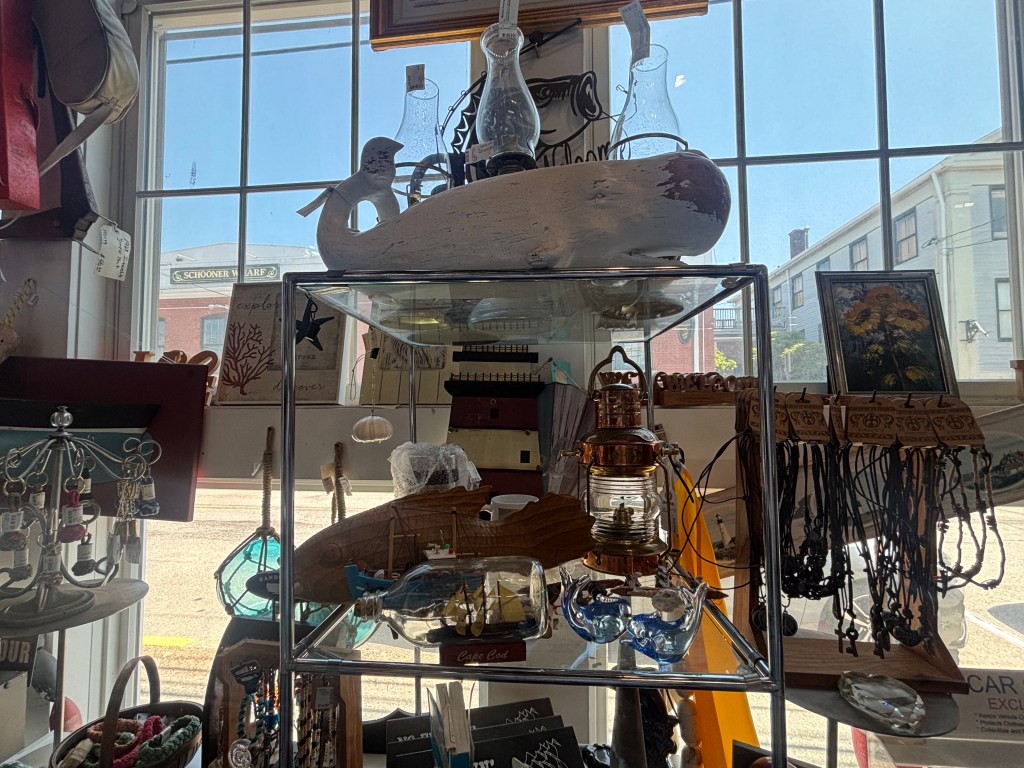
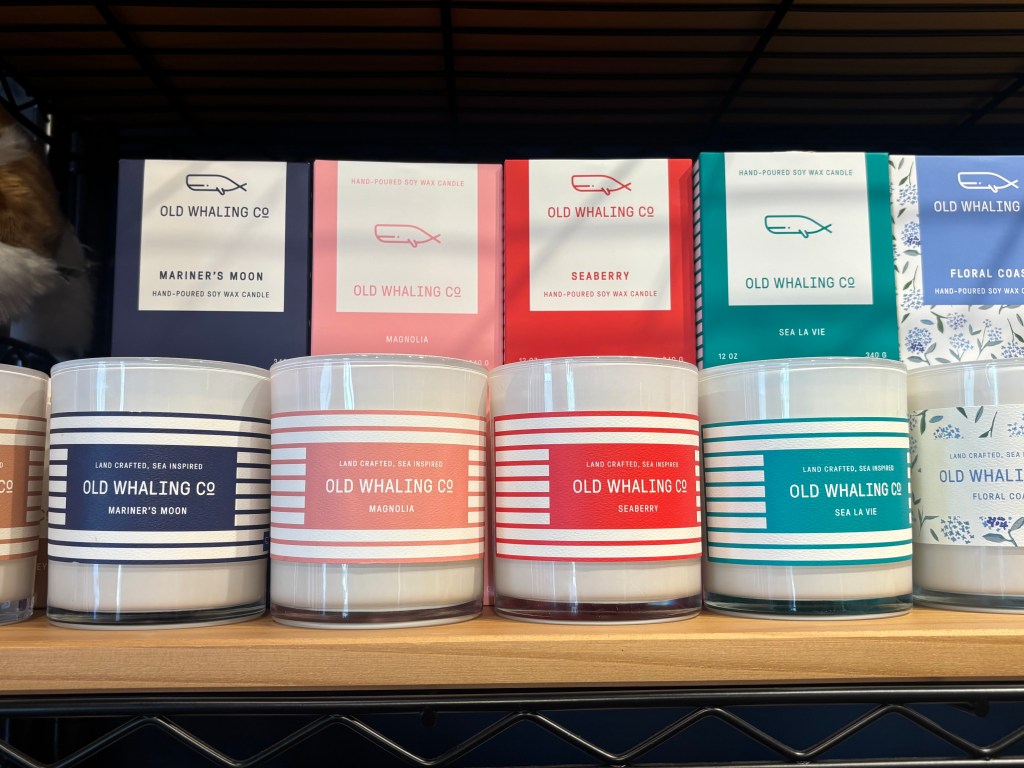
Alongside her analysis of “quaintness tourism”, Jamie Jones also articulates the commonalities between “quaintness” and “cuteness” as aesthetic categories. Both aesthetics arise and benefit from cultures of mass consumption, or in the relationships between a consumer and the commodities they purchase. Jones writes, “the diminutive, powerless, cute commodity object invites its own purchase as a kind of motherly custodianship by a consumer…quaint things and people, like cute things and people, are judged powerless by beholding subjects; the appreciation of both cute and quaint is tinged with cruelty and violence, as if the beholding subject wanted to enforce the cute or quaint thing’s powerlessness” (Giggs 73-74). Within this framework, the glorification of American whaling imbued in Mystic’s aesthetic landscape seems less opposed to the town’s endless supply of cute whale products after all. Whether as a conquered sacrifice in the name of American capitalist expansion, or as a sanitized souvenir to provide the beholder with comfort and pleasure, the whale cultures of Mystic obscure historical violences against whales, whilst preserving a relationship to whales upheld only by what they can provide for us. I’m not sure if it is possible to have a tourist town that remains reliant on human-whale relations without slipping into anthropocentrism – but I do believe that acknowledging the extractivist throughlines in these present-day communities is a step in the right direction.
 Whale-Worlds of Coastal Connecticut: An Aspiring Blog and Tour Guide